Delve into the intricate and captivating realm of tabletop games with a special focus on the impact, diversity, and the rise of digital platforms like Jogo99 offering a Brazilian twist on online gaming.
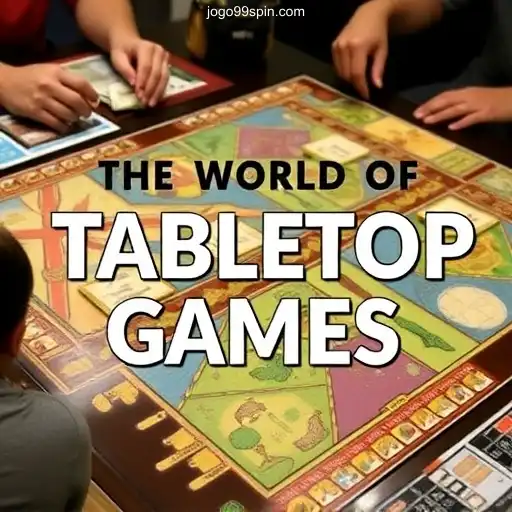
The World of Tabletop Games
Introduction to Tabletop Games
Tabletop games have long been a source of entertainment and social interaction. From ancient games played in different cultures to modern adaptations, they provide unique experiences that digital games often cannot replicate. In this article, we'll explore the vibrant world of tabletop gaming, focusing on its diversity, history, and impact on society. Along the way, we'll introduce you to the excitement of Jogo99 Descubra o Melhor dos Jogos Online Brasileiros Hoje Mesmo♥️, a popular platform bringing the best of Brazilian online games to tabletop enthusiasts.
The Diversity of Tabletop Games
The term 'tabletop game' encompasses a variety of formats including board games, card games, dice games, and more. Each category provides distinct challenges and enjoyment:
Board Games
Board games are arguably the most recognized format. Classics like Chess, Monopoly, and Settlers of Catan are iconic. They require strategic thinking, planning, and sometimes teamwork, depending on the game type.
Card Games
Card games like Poker and Magic: The Gathering focus on chance, skill, and bluffing. Collectible card games have become a phenomenon, with economies surrounding rare cards and tournament play.
Dice Games
Dice games offer a mix of luck and strategy. From simple games where the highest roll wins to complex games like Dungeons & Dragons, which use dice as part of their core mechanics.
Role-Playing Games (RPGs)
RPGs and their tabletop counterparts require players to assume characters in a rich narrative universe. They emphasize imagination, creativity, and problem-solving, often unfolding over extended gameplay sessions.
Historical Context
Tabletop games have existed for millennia. Historical records speak of ancient Egyptian games like Senet and the Indian Chaturanga, the predecessor of modern chess.
During the Roman Empire, Ludus Latrunculorum was a common pastime, underscoring the cultural importance of these activities. Fast forward to the 20th century, and you see the rise of modern classics driven by ingenuity and cultural exchange.
Impact on Society
Tabletop gaming influences social dynamics by fostering cooperation, competition, and communication. Games are a microcosm for society, where social norms and behavior can be tested in a safe environment.
Education and Cognitive Development
Many tabletop games promote cognitive growth and problem-solving. Chess, for example, is noted for enhancing memory and strategic thinking.
Social Interaction
Unlike solitary activities, tabletop games require players to engage with one another, often face-to-face. This encourages negotiation, fairness, and teamwork, enhancing social skills.
The Digital Influence
With the internet revolutionizing access to media, platforms like Jogo99 Descubra o Melhor dos Jogos Online Brasileiros Hoje Mesmo♥️ have emerged. These digital platforms aim to blend traditional gaming values with online convenience, offering users a broad spectrum of games accessible from home. The marriage of classic tabletop mechanics with digital innovation presents an exciting frontier for new game development and community building.
A Global Revival
The recent resurgence in popularity for tabletop games is driven by a quest for authentic interactions in an increasingly digital society. Furthermore, the renaissance is fueled by innovative titles that offer novel experiences, reflecting cultural narratives and modern challenges.
Jogo99, as a hub for Brazilian online games, holds the essence of this revival by offering themed games that resonate with the local and global audience alike.